Financial advisor for dentists
Financial planning for dentists in Calgary and across Canada: the dental professional corporation, salary or dividends, the move from associate to owner, and the practice sale. Kaetyn St. Hilaire, CFA, plans the practice and the household together.
Financial planning for dentists
A dental career runs through a few big decisions: how you pay yourself, when you buy in, how the practice is insured, and how and when you sell. Each one changes the others, so they belong in one plan. Physicians face many of the same questions; see financial planning for physicians.
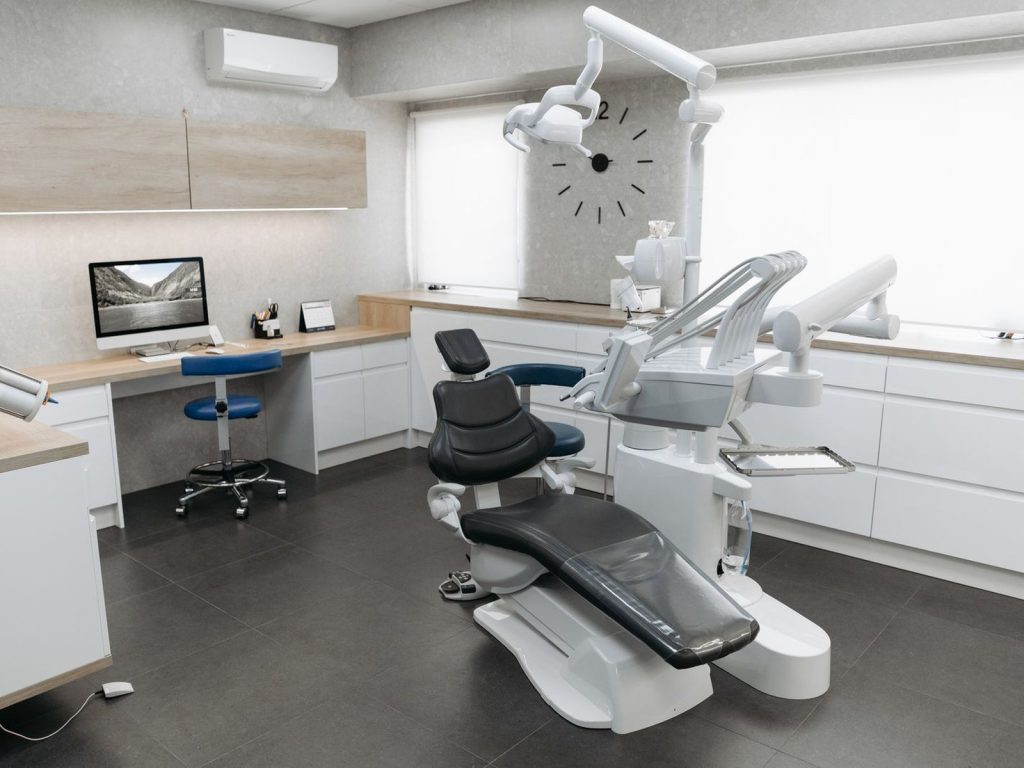
The dental professional corporation
A professional corporation lets a dentist keep income the household does not need inside the corporation, where active business income in Alberta is taxed at 11% on the first $500,000. What is left becomes capital to invest, repay practice debt or fund a purchase. Provincial rules decide who may own shares, and voting shares stay with dentists. In Alberta, a dentist's spouse must hold non-voting shares, and dividends to a family member who is not active in the practice are generally caught by the tax on split income (TOSI).
Salary vs dividends for dentists
Salary builds RRSP room (18% of the prior year's earned income, up to $33,810 for 2026), funds CPP and keeps an Individual Pension Plan possible. Dividends need no payroll and leave more in the corporation. Many association insurance programs define insurable income as earned income, which means salary. For most incorporated dentists the answer is a blend, reviewed every year before year end.
From associate to owner
An associate who bills through a corporation already has the salary or dividend choice. The bigger change comes with ownership: buying an established practice in a major market such as Calgary, Toronto or Vancouver often means borrowing $500,000 to $1.5 million. Loan payments come from corporate cash flow, and only the interest is deductible, not the principal. Paying no salary through a ten-year repayment gives up ten years of RRSP room for good.
Buying or selling a dental practice
Buyers usually prefer an asset purchase, so they can claim capital cost allowance on the equipment. Sellers usually prefer a share sale, because the lifetime capital gains exemption ($1.25 million in 2026) can shelter the gain on qualifying shares. To qualify, at least 90% of the corporation's assets must be used in the active practice at the time of sale, and more than 50% throughout the 24 months before it. Moving surplus investments to a holding company two to three years ahead keeps the shares qualified.
Should dentists incorporate in Alberta?
Dentists can practise through a professional corporation in Alberta, British Columbia and Ontario, under rules set by each province's dental regulator. Whether it pays depends on how much income you leave inside it.
When incorporating makes sense
The benefit comes from income you do not need to spend. Retained earnings are taxed at the small business rate (11% in Alberta and British Columbia, 12.2% in Ontario) instead of your top personal rate, and the difference compounds inside the corporation. A common rule of thumb is $50,000 or more a year that you do not need for personal spending. If you spend everything the practice earns, a corporation adds accounting cost without much deferral.
The passive income rules
Once a corporation's passive investment income passes $50,000 in a year, its small business limit shrinks by $5 for every $1 over and is gone at $150,000. Alberta and British Columbia follow the federal rule; Ontario does not, so an Ontario corporation keeps its provincial small business rate. Asset location inside the corporation, corporate class funds and an IPP all reduce the income that counts.
Dentist retirement planning
A dentist's retirement is usually funded from four places: the practice sale, the corporation's investments, registered accounts and CPP. The plan decides the order.
“The question is never whether you'll pay tax on your registered accounts. The question is what rate you'll pay and whether that decision is yours or the government's.”
Kaetyn St. Hilaire, CFA, in Paying Too Much in Taxes? Here's How Wealthy Canadians Legally Pay Less

Individual Pension Plans for dentists
An IPP is a defined benefit pension registered for the owner of a corporation. From the late forties on, it typically allows larger deductible contributions than an RRSP, past service can be funded, and pension assets do not count toward the passive income limit. It requires T4 salary, so a dividends-only history rules it out.
CPP and the salary record
As shareholder and employee you pay both halves of CPP. In return you build an indexed pension for life that can start as early as 60. Skipping CPP to save cash flow deserves a full projection, not a default.
Getting money out of the corporation
After a sale, what remains in the corporation still has to come out. Dividends spread over lower-income years, the capital dividend account and planned withdrawals keep the tax on the way out as low as the rules allow.
RRSP vs TFSA for dentists
Salary creates RRSP room; dividends do not. The TFSA ($7,000 of new room for 2026) is open to everyone, grows tax free and its withdrawals do not count toward the OAS clawback. Which comes first depends on your tax rate today against the rate you expect in retirement.
Insurance for dentists
Insurance is where the compensation decision shows up years later, at a claim.
“Corporately owned life insurance has to be structured properly by someone who genuinely understands both the tax code and how corporate accounts work.”
Kaetyn St. Hilaire, CFA, in 3 Legal CRA Loopholes That Could Save Retirees Thousands
Disability insurance
Own-occupation disability coverage pays if you can no longer practise dentistry, even if you could work in another field. Dentists can buy coverage through their provincial association and CDSPI or through an individual policy. Group plans can change terms, while an individual policy locks its terms in.
How insurers define your income
Many disability and life programs define benefits by earned income, which is salary, not dividends. A dentist paid entirely in dividends may qualify for less coverage than expected. Before settling on a dividend-heavy mix, confirm how each policy defines income.
Overhead expense and life insurance
Overhead expense insurance keeps the practice's rent, staff and loan payments covered during a disability. Life insurance owned by the corporation can fund a buyout or estate taxes, and the death benefit above the policy's adjusted cost basis can be paid out tax free through the capital dividend account.
Insurance for associates
An associate who is not yet an owner still needs own-occupation disability coverage sized to income. It is best bought early, while you are young and healthy and premiums are lower.

Kaetyn St. Hilaire, CFA
Kaetyn's wife is the dentist behind Vigée Dental. That personal connection gives him a genuine understanding of the demands, timelines and financial pressures that come with running a practice while trying to build wealth outside of it. He focuses on the salary-dividend mix inside a professional corporation, RRSP and TFSA contributions, and a long-term investment plan.
Designations
CFA, CIM, CIWM, FCSI, CEA
Questions from dentists
Honest answers to the questions we hear most often. Other careers: financial planning for professionals.
Plans the practice and the household together: the salary and dividend mix, the corporate investment portfolio, insurance, the practice purchase or sale, and retirement. The structure itself is set with your lawyer and accountant, and we plan it alongside them.
In Alberta, a dentist's spouse must hold non-voting shares. Dividends to a spouse who is not active in the practice are generally taxed at the top rate under the TOSI rules, with exceptions, such as once the dentist who owns the corporation has turned 65. Set the structure with your lawyer and accountant.
Usually a blend: enough salary to build RRSP room, fund CPP and support your insurance coverage, with dividends for the rest and the surplus left to invest in the corporation. Review the mix every year before year end.
For the seller, a share sale is usually better because the lifetime capital gains exemption can shelter much of the gain. Buyers usually prefer assets. Model the after-tax proceeds under both before agreeing to a price, ideally two to three years before the sale.
We generally work with clients who have $500,000+ in investable assets or a household income of $200,000+. That said, we're happy to have an introductory conversation regardless. Sometimes the right time to start planning is before you've accumulated significant wealth.
Kaetyn works with clients across Canada. Meetings can be held in person in Calgary or by video anywhere in Canada.
Book a free wealth review
A complimentary, no-obligation conversation about your practice, your corporation and your goals, and a clear explanation of how we can help.